

As parents, watching our children struggle in school can be incredibly challenging and emotional. Understanding their difficulties and providing the right support to help your child succeed in school is crucial for their academic and personal growth. Here’s a comprehensive guide to help you support your child effectively, with a practical tool to facilitate open communication.
Creating a Supportive Environment
First and foremost, ensure that your child knows they are loved and valued, regardless of their academic performance. A supportive home environment boosts their confidence and motivation. Let them know it’s okay to struggle and that you’re there to help them through it.
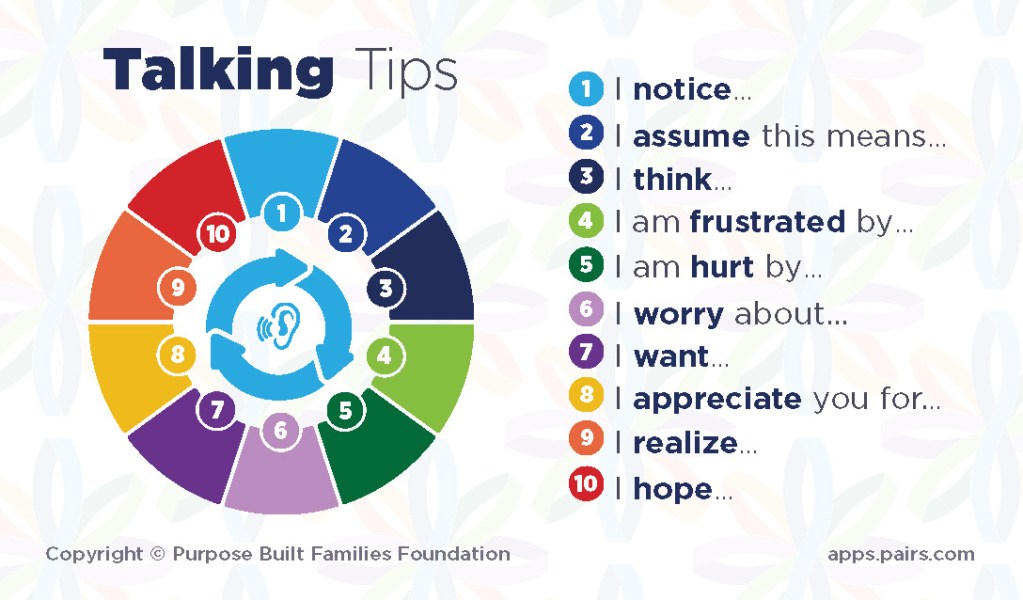
Communicate Openly
Open and empathetic communication is key to understanding and addressing your child’s struggles. The PAIRS Talking Tips exercise is a practical tool that can help both you and your child express feelings and find solutions together. Here’s an example of how to use it:
Parent: “Hi sweetheart, I notice you’ve been feeling down about school lately. Can we talk about it?”
Child: “Yeah, I just don’t get math, and it makes me feel stupid.”
Parent: “I assume this means you’re feeling frustrated and maybe a bit overwhelmed with your math work.”
Child: “Exactly. No matter how hard I try, I just can’t get it right.”
Parent: “I think it’s really important to remember that struggling with a subject doesn’t mean you’re not smart. Everyone has areas they find challenging.”
Child: “But it feels like I’m the only one having trouble.”
Parent: “I am hurt by the thought that you’re feeling this way. I want you to know we can find ways to make this easier together.”
Child: “I don’t know if it will help.”
Parent: “I am frustrated by seeing you struggle and not knowing how to help right away. But I believe we can find a way.”
Child: “What can we do?”
Parent: “I want us to work together to find solutions. Maybe we can talk to your teacher about extra help or find a tutor. Would that be okay with you?”
Child: “Yeah, I guess that could help.”
Parent: “I appreciate you being open with me about how you’re feeling. It’s really important.”
Child: “Thanks for listening.”
Parent: “I realize that this is hard for you, but I’m here to support you every step of the way.”
Child: “Okay.”
Parent: “I hope we can work through this together and find a way that makes school more manageable and even enjoyable for you.”
Using structured sentence stems like these helps ensure both parties feel heard and respected, paving the way for constructive problem-solving.
Identifying the Root Cause
Work with teachers, counselors, and possibly educational psychologists to understand why your child is struggling. This might include learning disabilities, emotional issues, or even social challenges at school. Getting to the root cause is essential for providing the right support.
Setting Realistic Goals
Help your child set achievable academic goals. Celebrate small victories to build their confidence and encourage perseverance. Breaking down larger tasks into manageable steps can make the process less overwhelming.
Providing Practical Support
Assist with homework, create a study schedule, and ensure they have a quiet and organized space to work. Sometimes, tutoring or additional resources might be necessary. Being actively involved shows your child that you are committed to their success.
Encouraging a Growth Mindset
Teach your child that intelligence and abilities can develop with effort and time. Encourage them to see challenges as opportunities to grow rather than insurmountable obstacles. This positive outlook can significantly impact their approach to learning and overcoming difficulties.
Conclusion
Supporting a child who is struggling in school requires patience, understanding, and practical strategies. By creating a supportive environment, communicating openly using tools like the PAIRS Talking Tips, identifying the root causes of their struggles, setting realistic goals, providing practical support, and encouraging a growth mindset, you can help your child navigate their academic challenges and thrive.
Remember, every child is unique, and what works for one may not work for another. Stay flexible, patient, and empathetic as you find the best ways to support your child’s individual needs.
Discover more from Fatherhood Channel
Subscribe to get the latest posts sent to your email.