
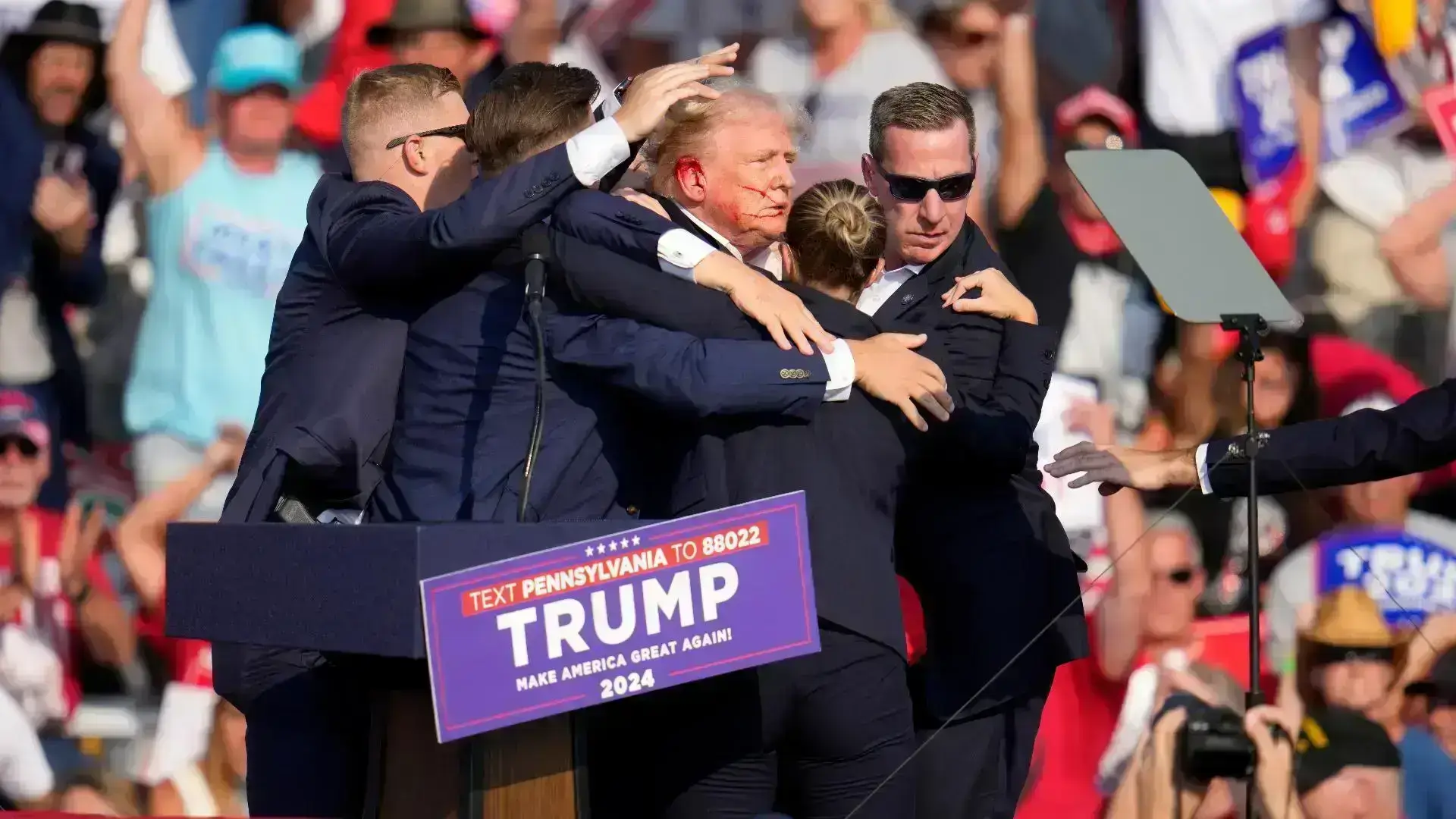
The world watched with horror Saturday as Thomas Matthew Crooks attempted to assassinate former President Donald Trump at a Pennsylvania campaign rally. Everyone watching had to be impressed and grateful for the instant response and professionalism of the U.S. Secret Service and other law enforcement professionals who immediately acted to protect the Republican nominee and current frontrunner. While as of this writing little is known about Thomas Matthew Crooks, there’s a high likelihood the gunman was someone impacted by relationship breakdown or bullying. Crooks reportedly fired an assault weapon at President Trump from a high position more than 100 yards away from where the 2024 presidential candidate was speaking.
Relationship breakdowns, whether due to divorce, separation, or significant interpersonal conflicts, such as bullying, can have profound psychological impacts. These impacts often include feelings of rejection, loneliness, and a loss of identity, which can, in turn, lead to increased stress and emotional instability. When these emotions are not managed constructively, they can manifest as aggression and violence, such as the tragic incident we witnessed today in which President Trump was wounded, one bystander killed, and several others seriously injured.
Key Findings from Research
- Emotional and Psychological Stress: Studies have shown that the end of a relationship can lead to significant emotional distress. According to a study published in the Journal of Marriage and Family, individuals experiencing divorce are more likely to suffer from depression and anxiety, which can contribute to violent behavior as a form of coping mechanism.
- Loss of Social Support: The breakdown of a relationship often leads to a loss of social support networks. Research from the American Psychological Association highlights that individuals with weak social ties are more prone to engage in violent acts, as they lack the emotional and psychological support needed to manage their distress healthily.
- Economic Hardships: Relationship breakdowns frequently result in economic instability, particularly for those who were financially dependent on their partner. Economic stress is a well-documented trigger for domestic violence. A study by the National Bureau of Economic Research found a direct link between financial strain following a breakup and increased instances of domestic violence.
- Identity and Self-Worth Issues: Relationships often form a significant part of one’s identity. When these relationships end, it can lead to a crisis of self-worth and identity, which can result in aggressive behavior. A study in the Journal of Social and Personal Relationships found that individuals who strongly tie their identity to their relationship are more likely to exhibit violent behavior after a breakup.
Case Studies and Statistics
- Domestic Violence: According to the National Coalition Against Domestic Violence (NCADV), approximately 1 in 4 women and 1 in 9 men experience severe intimate partner physical violence. Many of these cases occur during or shortly after a relationship breakdown.
- Homicide Rates: Research from the Centers for Disease Control and Prevention (CDC) indicates that a significant proportion of homicides are linked to intimate partner violence, often following the end of a relationship. The CDC’s report on intimate partner violence and homicide highlights that over 50% of female homicide victims are killed by a current or former intimate partner.
Addressing the Issue
Understanding the link between relationship breakdowns and violence is essential for creating effective interventions. Programs that offer emotional and psychological support during and after the end of a relationship can be crucial. Here are some recommended strategies:
- Counseling and Support Services: Providing access to counseling and support groups for individuals going through a breakup can help mitigate feelings of loneliness and distress.
- Economic Assistance Programs: Offering financial support and resources to those who face economic hardship after a relationship ends can reduce the stress and potential for violent behavior.
- Educational Campaigns: Raising awareness about the signs of emotional distress and the risks of violence following a breakup can encourage individuals to seek help early.
Conclusion
The breakdown of a relationship is a significant life event that can trigger a range of emotional and psychological responses, including violence. By recognizing and addressing the underlying issues associated with relationship dissolution, we can develop more effective strategies to prevent violence and support individuals during these challenging times.
Discover more from Fatherhood Channel
Subscribe to get the latest posts sent to your email.