
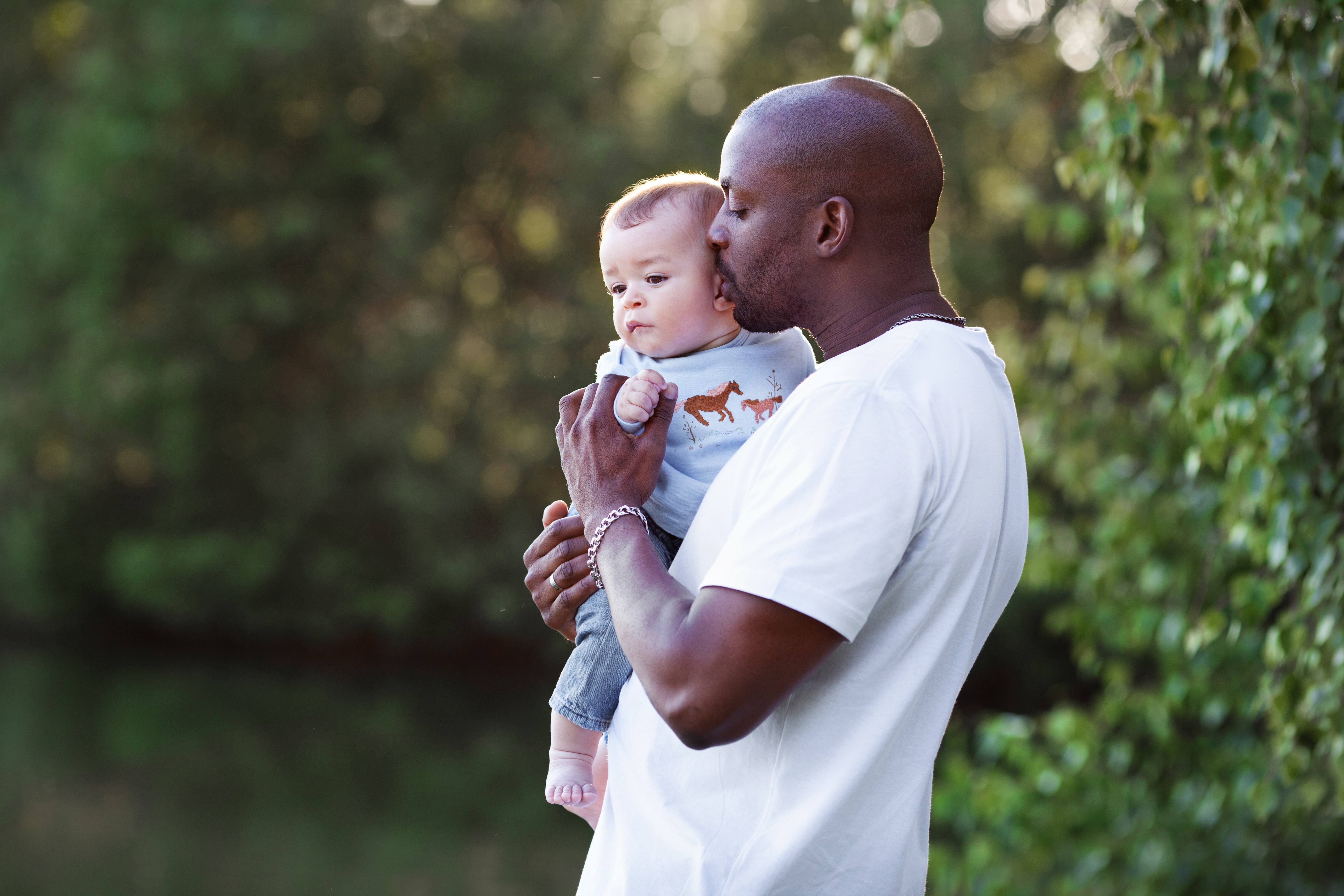
In a world that often emphasizes the importance of success and achievement, it’s easy for fathers to overlook one of their most crucial roles: being actively involved in their children’s lives. Active fatherhood, characterized by regular engagement, emotional availability, and hands-on parenting, brings profound benefits not only to children but also to fathers themselves. Let’s explore the transformative impact of active fatherhood on families and communities.
Nurturing Emotional Intelligence
Children who have actively involved fathers are more likely to develop strong emotional intelligence. When fathers participate in their children’s lives, they model healthy emotional expression, empathy, and resilience. Through everyday interactions—whether it’s discussing feelings, resolving conflicts, or showing affection—fathers teach their children how to understand and manage their emotions. This emotional foundation is critical for children’s mental health and their ability to form meaningful relationships throughout their lives.
Boosting Academic Success
Research consistently shows that children with involved fathers tend to perform better academically. Fathers who engage in activities such as reading, homework help, and school events provide their children with a support system that fosters a love for learning. Moreover, these children are more likely to have higher self-esteem and confidence, which are essential for academic achievement. The presence of a supportive father can turn educational challenges into opportunities for growth and development.
Enhancing Physical Well-being
Active fatherhood also has a significant impact on a child’s physical health. Fathers who participate in physical activities with their children, such as sports, hiking, or even playful roughhousing, encourage a healthy, active lifestyle. This not only helps in building strong bodies but also instills lifelong habits of physical fitness. Additionally, children with engaged fathers are less likely to engage in risky behaviors, contributing to their overall well-being.
Strengthening Father-Child Bonds
The bond between a father and child is unique and irreplaceable. Active involvement allows fathers to create lasting memories and deep connections with their children. Simple acts, like attending a school play, sharing meals, or having heart-to-heart conversations, build trust and mutual respect. These experiences create a sense of security and belonging, helping children feel valued and understood. This bond is a source of strength for both father and child, especially during challenging times.
Promoting Personal Growth for Fathers
Active fatherhood isn’t just beneficial for children; it also enriches the lives of fathers. Engaging deeply in their children’s lives can lead to personal growth and fulfillment. Fathers often find that parenting teaches them patience, empathy, and adaptability. It also provides an opportunity to reflect on their values and priorities. Witnessing their children’s milestones and accomplishments brings immense joy and a sense of purpose that is unmatched.
Building Stronger Families and Communities
When fathers are actively involved, the entire family benefits. The shared responsibility in parenting leads to more balanced and harmonious family dynamics. It fosters a collaborative environment where both parents contribute to the upbringing of their children. Moreover, active fatherhood sets a positive example for the next generation, encouraging young boys to become responsible, caring fathers and young girls to seek partners who are supportive and engaged.
Communities, too, are strengthened by active fatherhood. Involved fathers contribute to safer, more cohesive neighborhoods. Their participation in community activities, schools, and local organizations enhances social support networks, creating environments where children can thrive.
Overcoming Barriers to Active Fatherhood
Despite its numerous benefits, many fathers face barriers to active involvement. These can include demanding work schedules, societal expectations, or lack of parenting resources. It’s crucial for society to support fathers in their parenting journey by promoting flexible work policies, challenging outdated stereotypes, and providing accessible resources and education on fatherhood.
Conclusion
Active fatherhood is a powerful force that nurtures emotional intelligence, boosts academic success, enhances physical well-being, and strengthens father-child bonds. It promotes personal growth for fathers and contributes to stronger families and communities. As we recognize and celebrate the vital role of fathers, let us strive to support and encourage their active involvement, for the benefit of all. Active fatherhood is not just an investment in our children’s future—it is a testament to the enduring power of love, commitment, and presence.
Discover more from Fatherhood Channel
Subscribe to get the latest posts sent to your email.