In today’s world of relationship advice and emotional awareness, a new vocabulary is emerging — one that gives names to behaviors many people have experienced but never knew how to describe.
Terms like gaslighting, breadcrumbing, trauma dumping, and floodlighting have made their way from therapy rooms and Reddit threads into everyday conversations. And while some may see these buzzwords as trendy or exaggerated, they often reflect very real emotional pain.
At their core, these terms describe patterns that quietly erode trust, safety, and connection — the very foundations of healthy relationships.
Here’s what every couple, parent, and friend should know.

🔦 Floodlighting
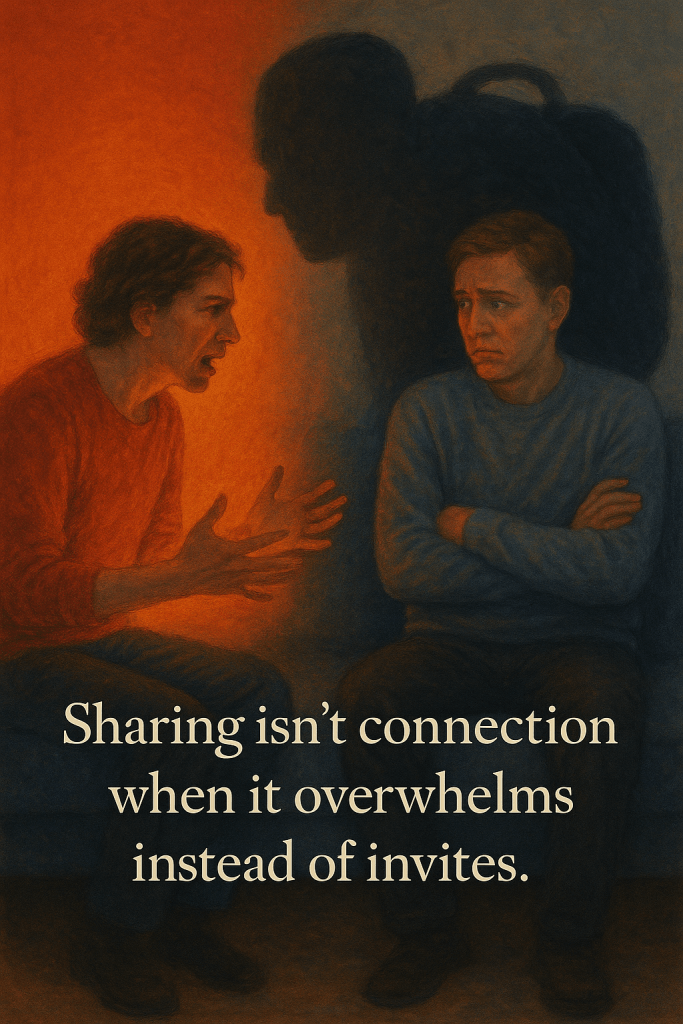
Sharing too much, too fast, in a way that overwhelms rather than connects.
Often disguised as vulnerability, floodlighting is when someone unloads deep personal trauma or intense emotions too early or too forcefully in a relationship. Rather than building closeness, it can pressure the other person to respond in ways they’re not ready for — creating emotional imbalance from the start.
💣 Trauma Dumping
Releasing unprocessed trauma onto someone without warning or consent.
Unlike healthy emotional sharing, trauma dumping is one-sided and often leaves the listener feeling emotionally burdened or helpless. It can strain even close relationships if not managed with mutual care and boundaries.

🧠 Gaslighting
Making someone question their own reality.
A term that’s become widely known — and for good reason. Gaslighting is when someone manipulates another into doubting their thoughts, memories, or feelings. It’s deeply damaging and often used to avoid accountability or control a partner emotionally.
❤️🔥 Love Bombing
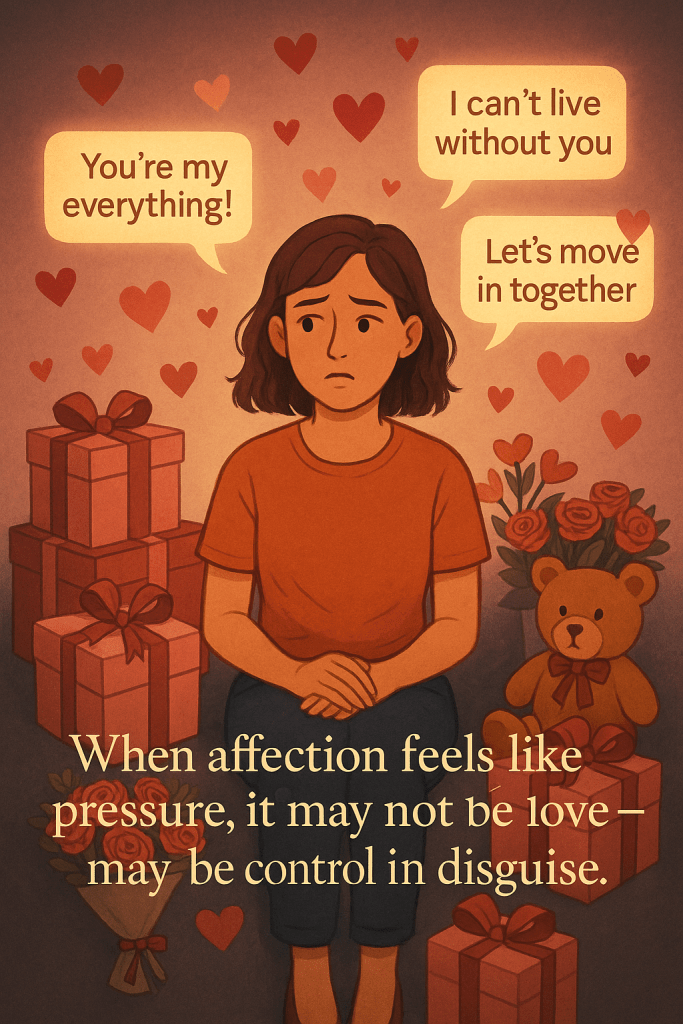
An intense early rush of affection that isn’t built to last.
Love bombing feels incredible at first — constant texts, gifts, attention — but it often masks a desire to control or manipulate. Once the “bomb” fades, so does the warmth, leaving confusion and heartbreak in its wake.
🧊 Stonewalling
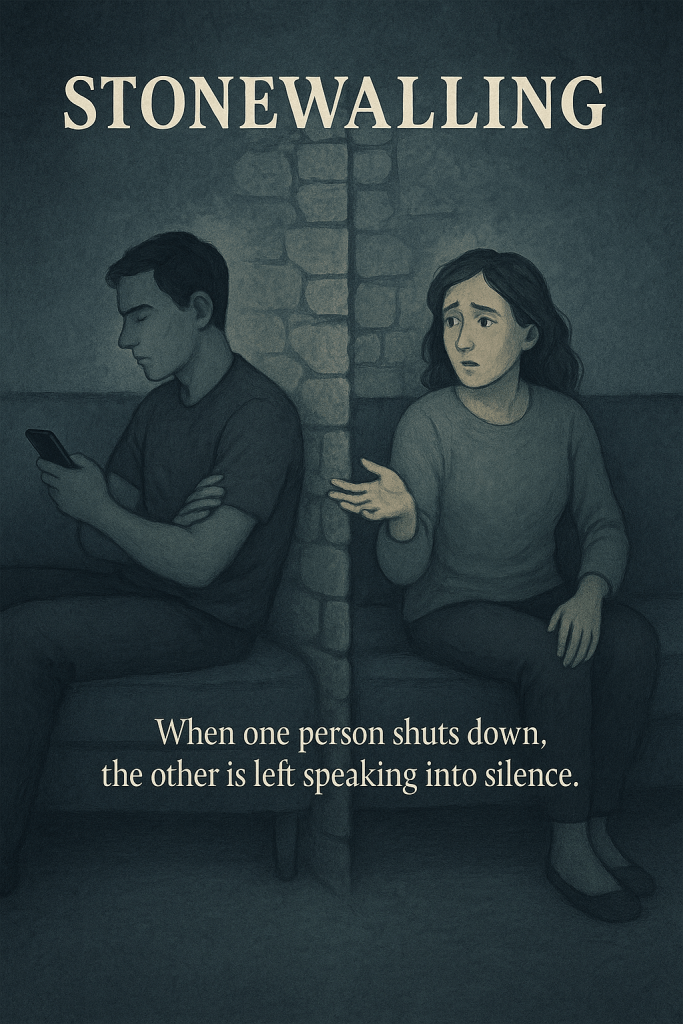
Shutting down instead of talking it out.
It’s the silent treatment with a twist — emotionally checking out during conflict to avoid discomfort. It may seem like self-protection, but over time it sends the message that your partner’s feelings don’t matter.

🧬 Breadcrumbing
Giving just enough to keep someone close, but never committing.
Breadcrumbing creates false hope through sporadic texts, vague promises, or just enough affection to keep someone from walking away — without ever truly showing up.
👻 Ghosting & Orbiting
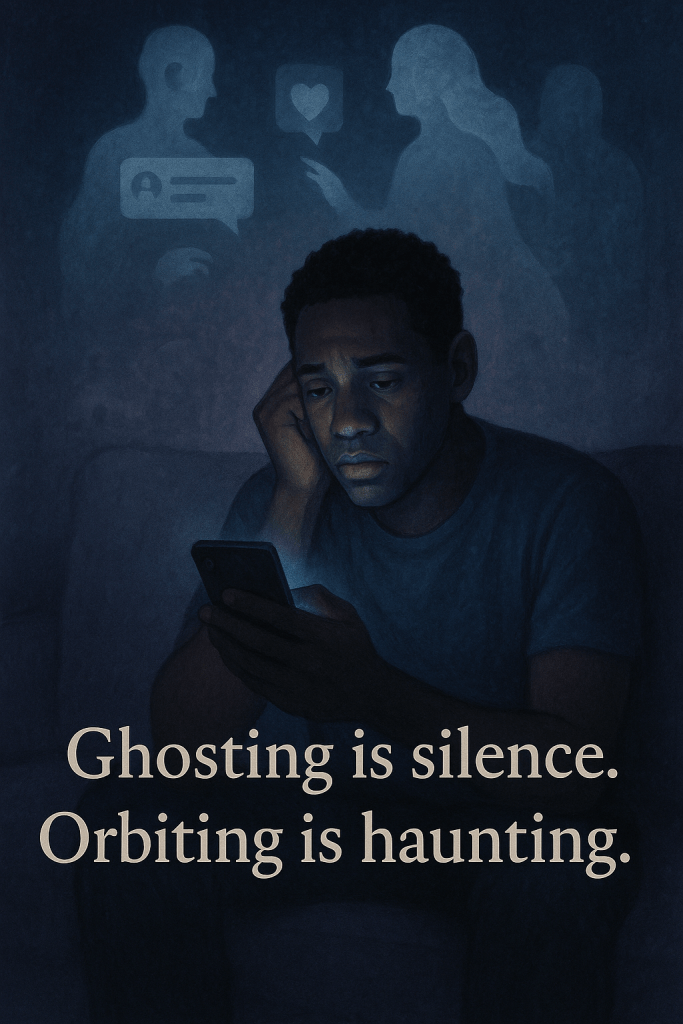
Disappearing without a word, or haunting someone from a distance.
Ghosting ends relationships without closure. Orbiting adds a modern twist — continuing to interact with someone’s online presence while refusing real communication. Both leave emotional residue that can linger.

🪞 Future Faking
Talking about shared dreams to gain trust — without meaning it.
It sounds like love, but it’s a lie. Future faking manipulates hope: “I can’t wait to travel the world with you,” “We’ll buy a house soon,” or “I want kids too” — all said to build attachment without follow-through.
🛠 What To Do Instead
Healthy relationships aren’t perfect, but they are built on trust, respect, and emotional safety.
At PAIRS Foundation, we teach simple tools — like the Daily Temperature Reading, Emptying the Emotional Jug, and Fair Fight for Change — that help people identify their emotions, express them constructively, and truly listen.
Want to strengthen your relationship in minutes a day? Start with the free Yodi app, which guides couples and individuals through proven communication tools that build real intimacy — not just emotional noise.
❤️ Final Thought
The more we understand the language of harm, the better we can recognize it — and replace it with the language of healing, connection, and love.
Because knowing what hurts is the first step to creating what heals.
Discover more from Fatherhood Channel
Subscribe to get the latest posts sent to your email.


