
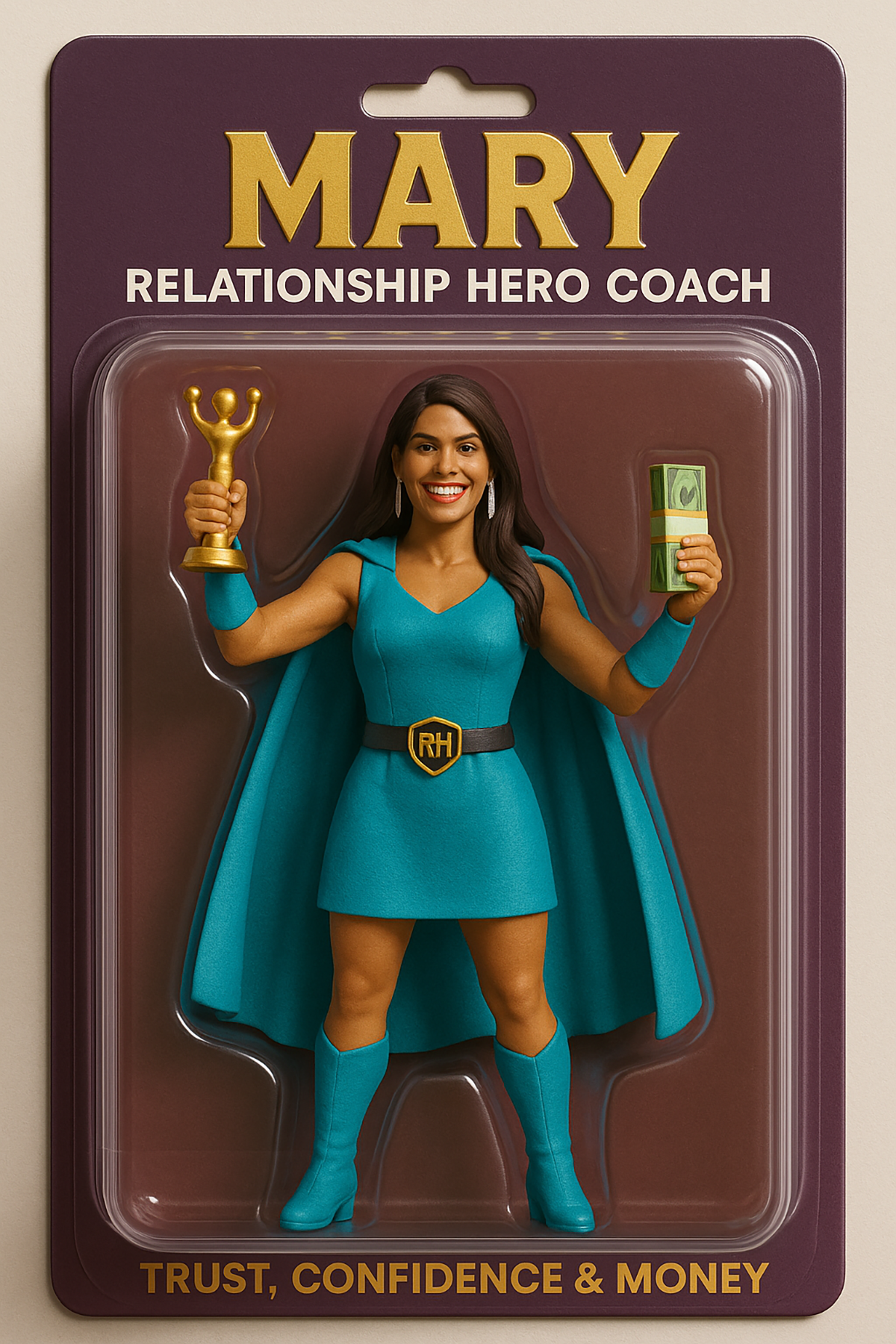
In today’s always-online world, a relationship hero coach may be just a few clicks away. But with thousands of “experts” promising everything from twin flame reunions to five-step love formulas, how can you tell if a particular service is actually a good fit—or a waste of your time, money, and emotional energy?
Whether you’re seeking help for a struggling marriage, navigating dating in a digital age, or simply wanting to better understand yourself in relationships, knowing how to evaluate a coach or program before you dive in is essential.
1. Understand the Difference Between Therapy, Coaching, and Education
One of the biggest sources of confusion is assuming all help is created equal. It’s not.
- Therapy often deals with healing past trauma and deeper emotional wounds. It’s typically regulated, licensed, and clinical.
- Coaching focuses more on future goals, accountability, and personal development.
- Education, like the PAIRS model, teaches proven skills and tools for communication, intimacy, and emotional expression.
A credible coach will be clear about their role—and know when to refer you to a therapist instead of pretending to be one.
“If a coach promises to heal your trauma or solve your mental health struggles without the right credentials, that’s a red flag—run.”
2. Check the Credentials—and the Substance Behind Them
Look beyond vague terms like “certified,” “intuitive,” or “energetic healer.” What training do they actually have? Are they affiliated with an established, research-based program (like PAIRS, Gottman, EFT, or IFS)? Have they received supervision? Are they insured? What is their background?
“Good coaching isn’t magic. It’s method + empathy + experience.”
Also look at who trained them. If the training program seems sketchy, the coach may be too.
3. Ask: Is This About Me, or About Selling Me?
Watch how the coach engages with you early on. Are they:
- Asking meaningful, open-ended questions?
- Listening more than talking?
- Customizing their approach to your unique goals?
Or are they:
- Pitching pricey packages after one call or even after a few minutes?
- Making big promises like “manifesting your soulmate in 30 days”?
- Using fear, urgency, or special offers to push you into buying?
“Trust isn’t built on a countdown timer.”
4. What’s the Framework? What’s the Follow-Through?
A good coaching relationship should have structure and a clear pathway. Can the coach explain how they’ll help you? Are there tools, assignments, or practices that go beyond feel-good advice?
The PAIRS Essentials model, for instance, uses experiential tools like the Emotional Jug, Love Bank, and Daily Temperature Reading to help people develop actual skills—not just insight. That’s the kind of structure that transforms relationships.
“Insight without action changes nothing. A great coach helps you build habits, not just have epiphanies.”
5. Evaluate the Fit: Are You Seen, Heard, and Respected?
One of the most underrated parts of a good coaching experience is how you feel in it. You should feel:
- Safe to be vulnerable
- Respected without judgment
- Gently challenged, not pushed
- Never looked upon as an ATM machine
Your coach isn’t there to be your best friend, your therapist, or your guru. They’re there to walk beside you with clarity, compassion, and accountability.
“The right coach won’t just make you feel better—they’ll help you be better.”
6. Watch for These Red Flags
- Is the hero coach focused more on selling you than listening to you?
- Are they promising guaranteed outcomes?
- Do they have clear pricing, cancellation policies, and boundaries?
- Are they asking for testimonials before you’ve even finished working together?
- Do they downplay your concerns or overinflate their success stories?
- Are they focusing more on their brand than your breakthroughs?
Final Word
Investing in a relationship hero coach can be life-changing. But only when it’s the right fit. Be discerning. Ask questions. Pay attention to what the “coach” is focused on and remember: your heart, your time, and your trust are precious resources. Treat them that way.
Discover more from Fatherhood Channel
Subscribe to get the latest posts sent to your email.


